

Short course: Radiocarbon Dating & Bayesian Chronological Analysis
Location:
Dates:
This course is aimed at researchers using radiocarbon and other techniques, including Quaternary geologists, palaeobiologists, archaeologists and marine geoscientists. The first two days of the course will cover key aspects of radiocarbon dating including sample selection, laboratory processes and Bayesian analyses of radiocarbon dates.
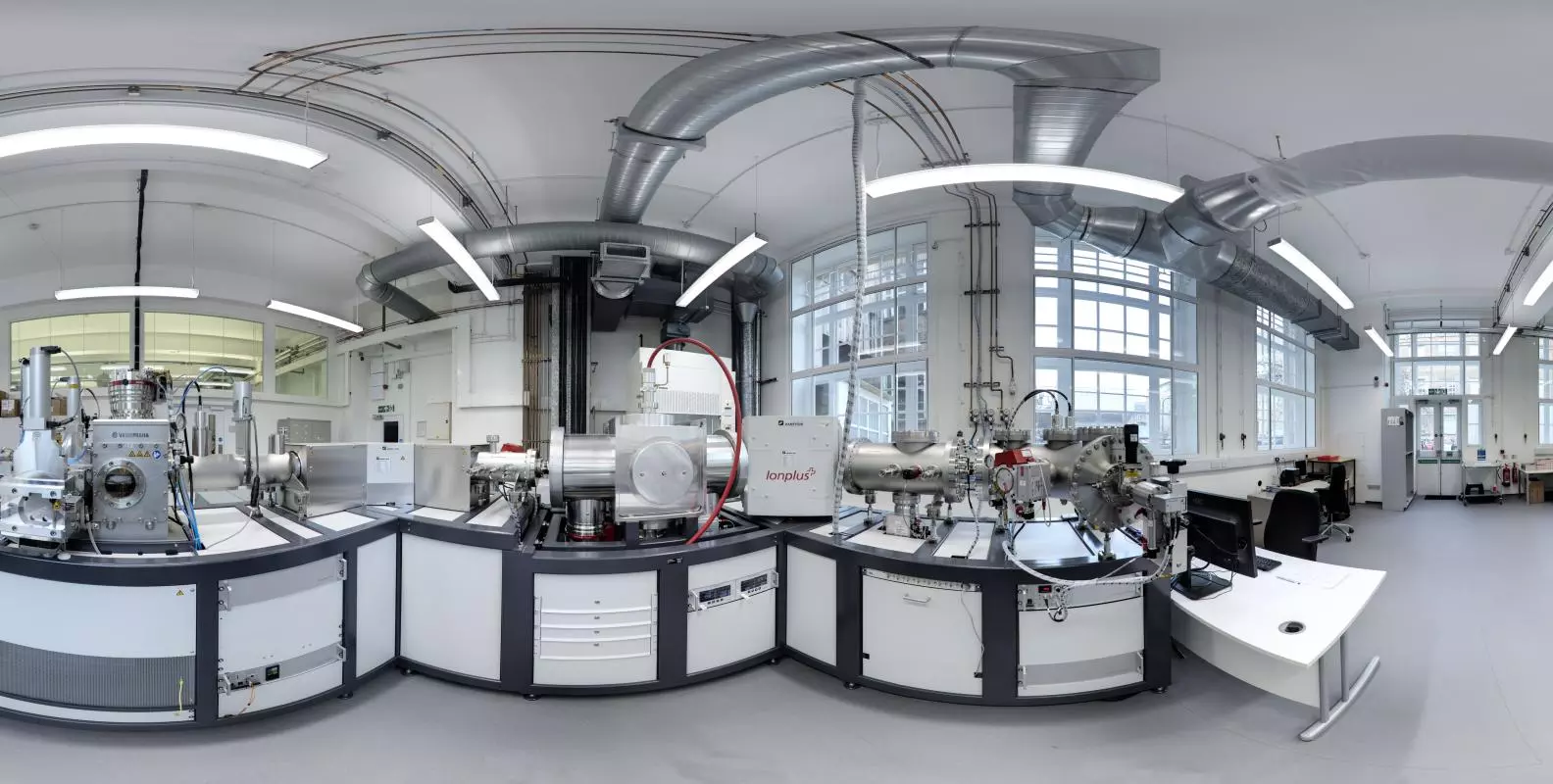
Various aspects relating to the production and interpretation of radiocarbon dating will be taught by members of the NERC Radiocarbon Facility, based at both Oxford and East Kilbride. This course aims to become a core component of practical radiocarbon training in the UK.
Workshops on calibration, reservoir effects and chronological modelling will be run throughout the course. The course will focus on the OxCal software package. By the end of day 2, participants will be able to build, query and interpret the range of chronological models typically produced in archaeological contexts. The third day of the course will expand on this to look at the construction of Bayesian chronologies more generally, including those that rely primarily on other dating techniques, and there will be a focus on the construction and use of chronological models for environmental records.
The programme has been formulated to introduce radiocarbon dating and other chronometric techniques to participants by exploring – through lectures, workshops tours and tutorials – the key issues essential to the construction of reliable chronologies. This course has been developed by the NERC Radiocarbon Facility, which is NERC and AHRC funded and consists of the science-based archaeology node at Oxford (Oxford Radiocarbon Accelerator Unit: ORAU) and the environment node at East Kilbride (Scottish Universities Environmental Research Centre: SUERC), and as part of the University of Oxford NERC Doctoral Training Partnership.
Register here:
Course Details
Monday
8.30am- Registration
9.00am- Fundamentals of radiocarbon dating
10.00am- Morning break
10.45am- Introduction to calibration*
12.00pm- Lunch
1.15pm Radiocarbon reservoir effects*
3.00pm- Afternoon break
3.30pm- Radiocarbon and the carbon cycle
5.00pm- End of Day 1
7.00pm- Dinner at TBC (optional)
Tuesday
9.00am- Sampling and pretreatment
10.15am- Morning break
11.00am- AMS for radiocarbon
12.00pm- Lunch
1.00pm- Introduction to Bayesian Age Modelling*
2.30pm- Afternoon break
3.00pm- Bayesian Age Modelling for archaeological questions*
5.00pm- End of Day 2
Wednesday
9.00am- Introduction to age-depth modelling*
10.15am- Morning break
11.00am- Age-depth modelling continued*
12.00pm- Lunch
1.00pm- Lab tour
2.30pm- Afternoon break
3.00pm- Further age modelling approaches; working with your own data*
5.00pm- End of course
All sessions involve a mixture of lectures, discussions and hands-on workshops. Sessions involving use of the program OxCal are marked *