
ARCHCROP: Crossing Paths: Millet, Wheat and Cultural Exchanges in the Inner Asian Mountain Corridor,
Years running
2024–2027
Funder
Marie Skłodowska-Curie Actions Postdoctoral Fellowship, funded through the UKRI Horizon Europe Guarantee and hosted by the University of Oxford.
Description and aims
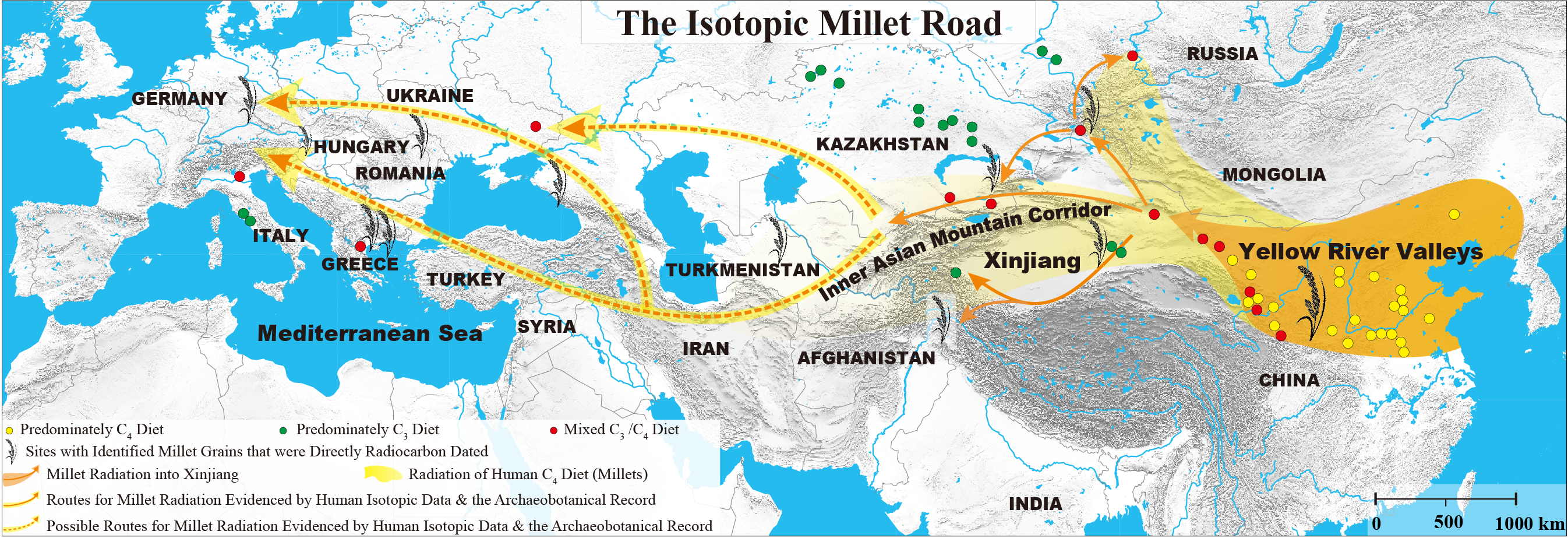
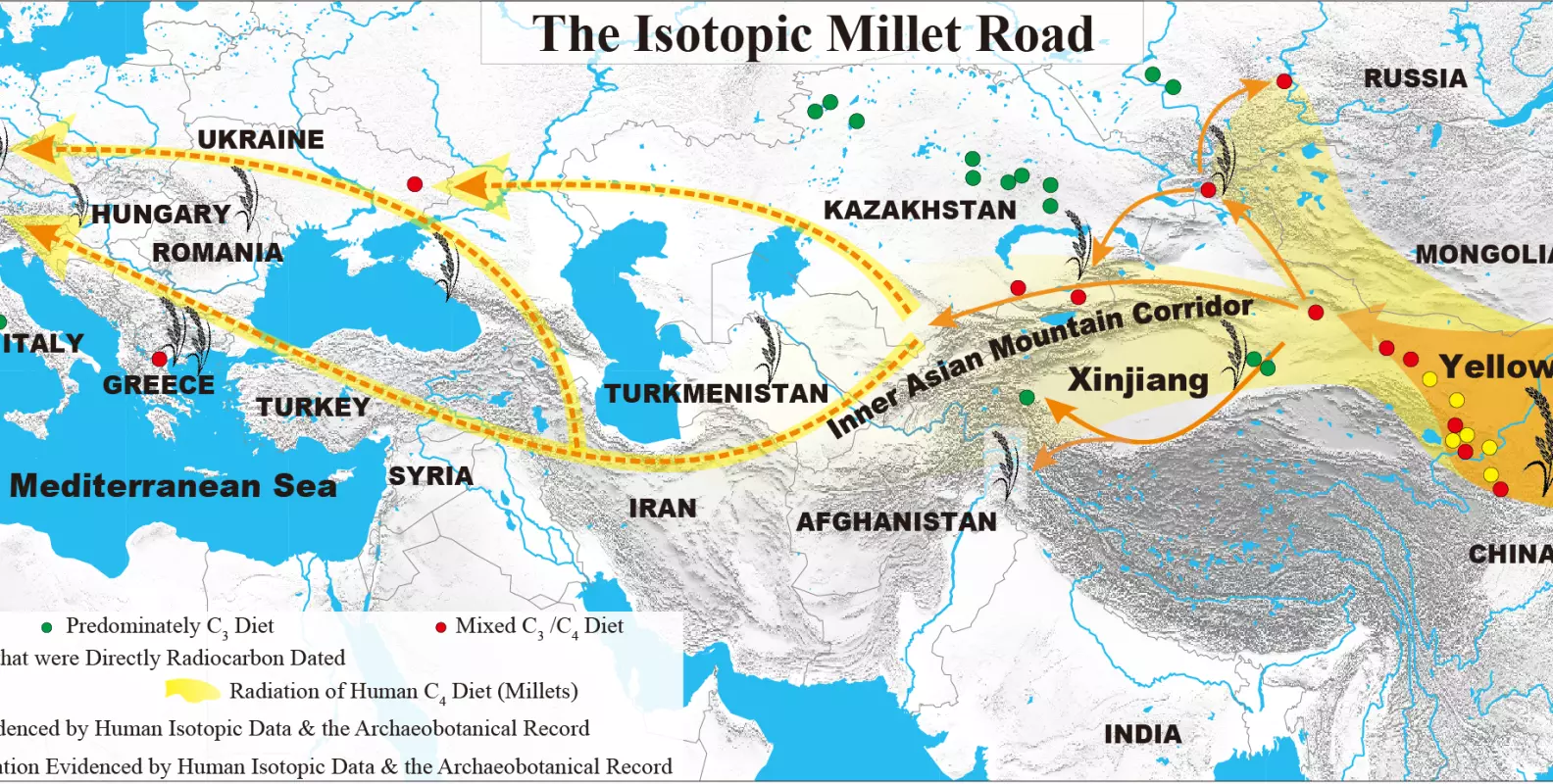
How did crops from across the ancient world first come into contact? During the Bronze Age, millet spread westwards from East Asia, while wheat and barley moved eastwards from Southwest Asia. Their earliest known meeting place was Inner Asia, where these crops—and the people who cultivated them—became part of a growing network of exchange.
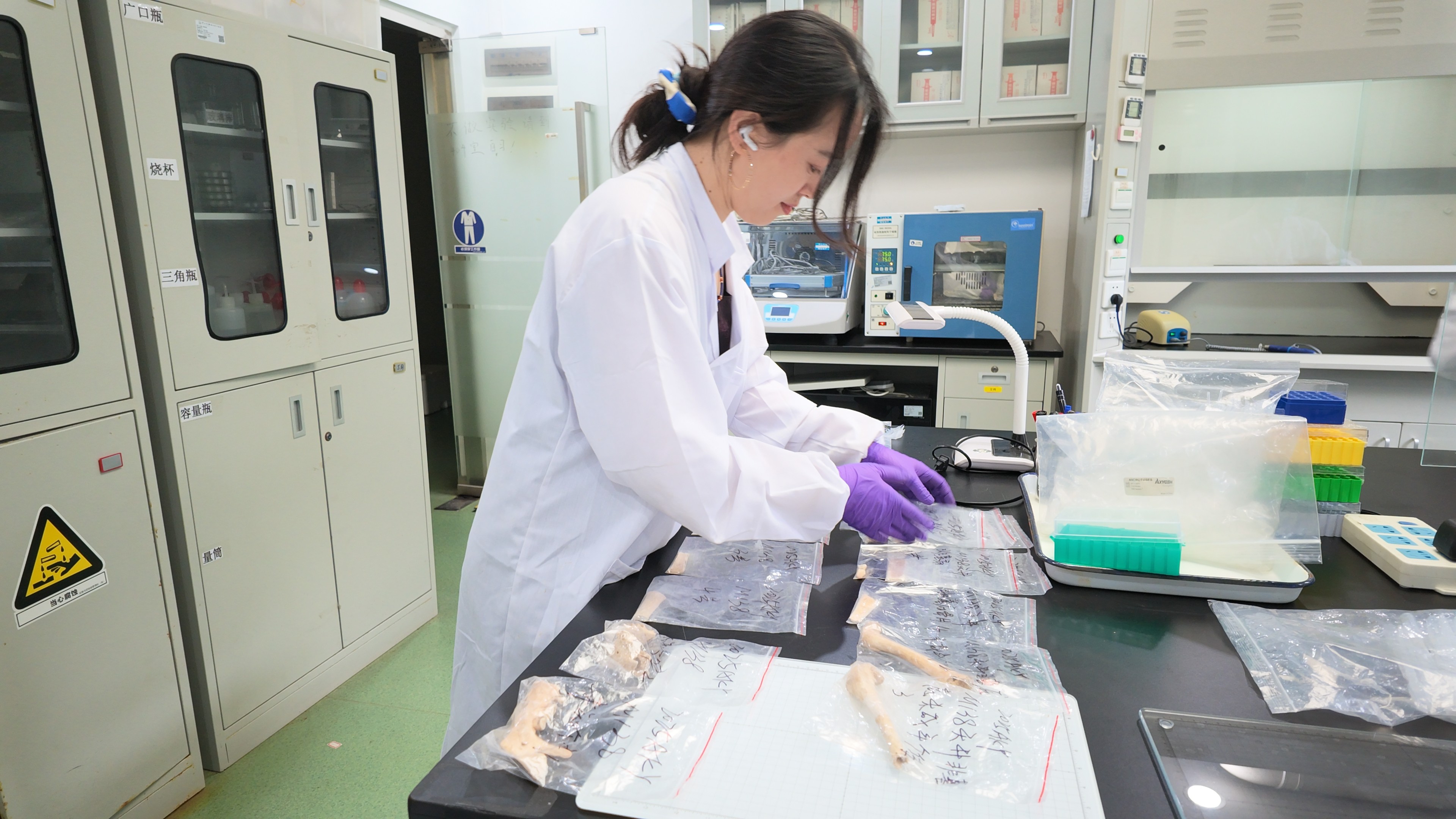
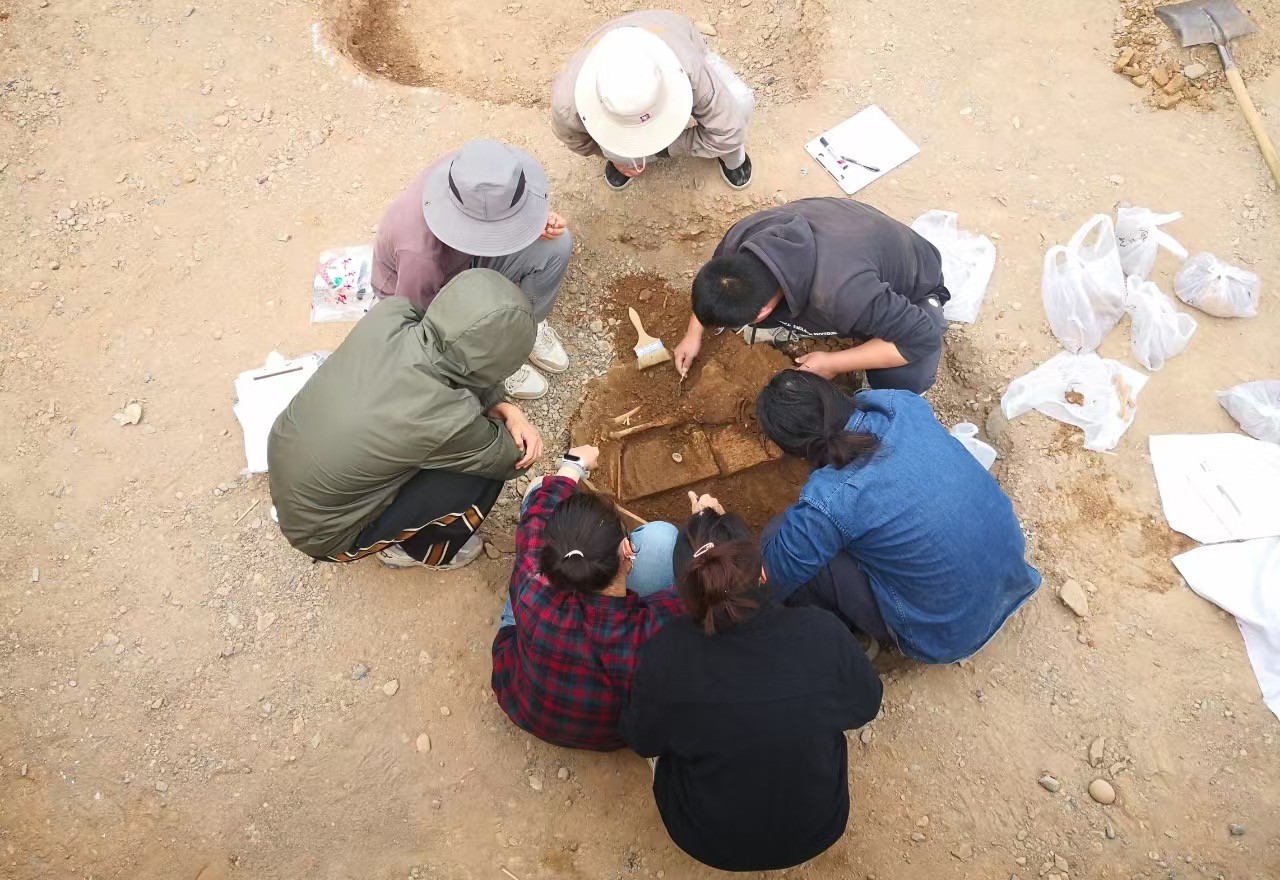
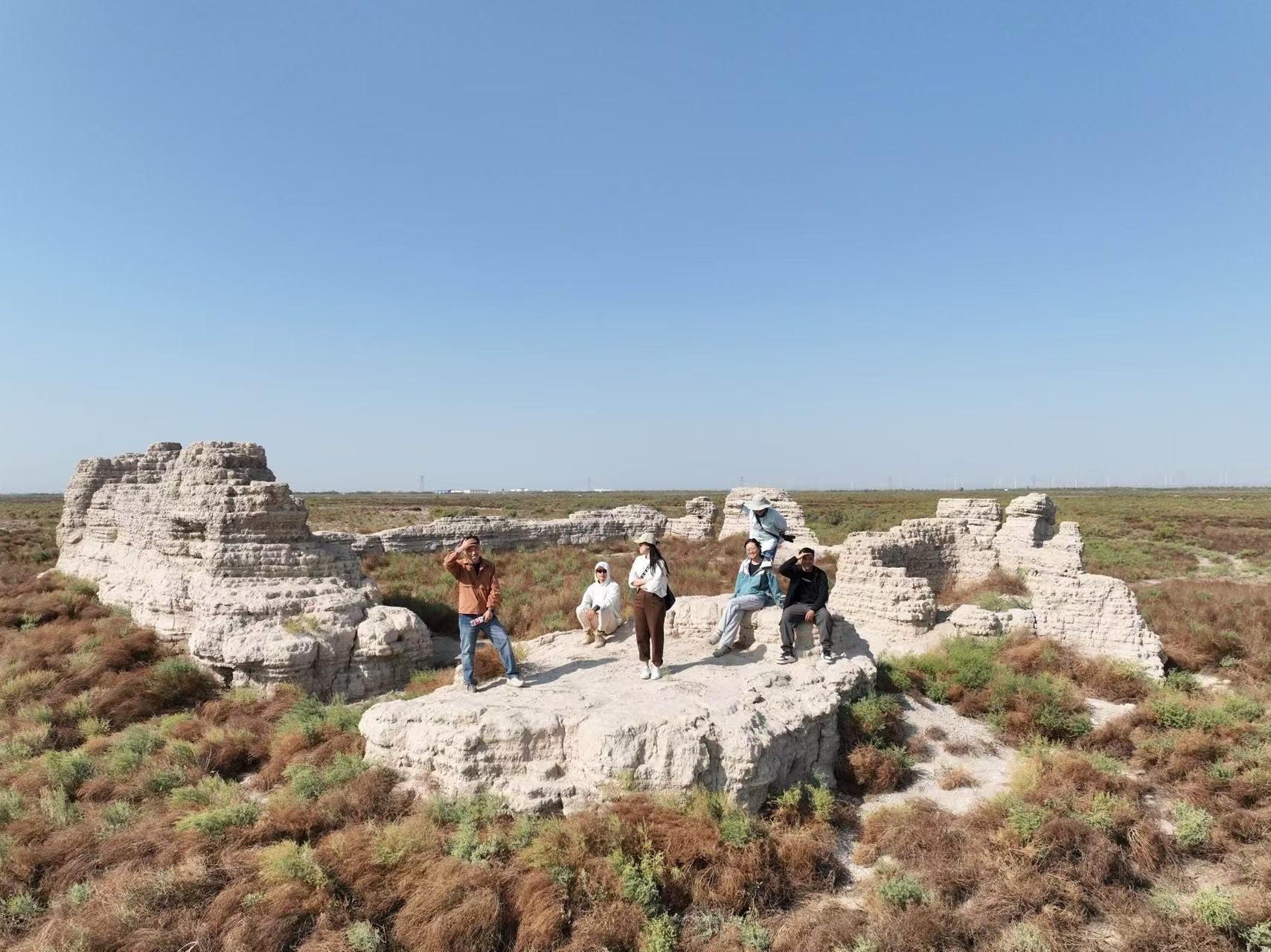
ARCHCROP follows the crops and the people who grew and ate them. Bringing together archaeobotany, stable isotope analysis and radiocarbon dating, the project examines ancient plant remains and human and animal bones and teeth from archaeological sites across the Inner Asian Mountain Corridor.
By tracing how crops were cultivated, when they entered people’s diets and how their use changed across places and generations, ARCHCROP explores the choices behind early exchanges across Eurasia. It investigates how people adapted new foods to local environments and how everyday farming and eating helped connect communities across the continent.