
SIBA - Stone Interchanges within the Bahama archipelago
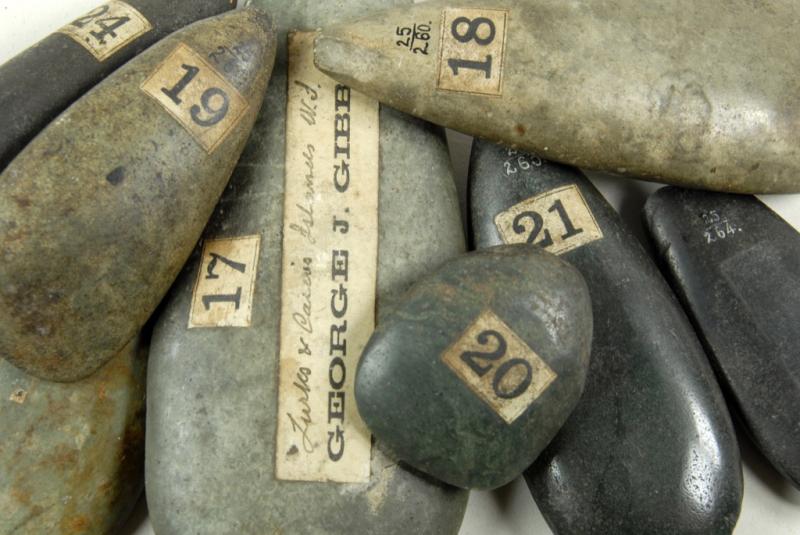
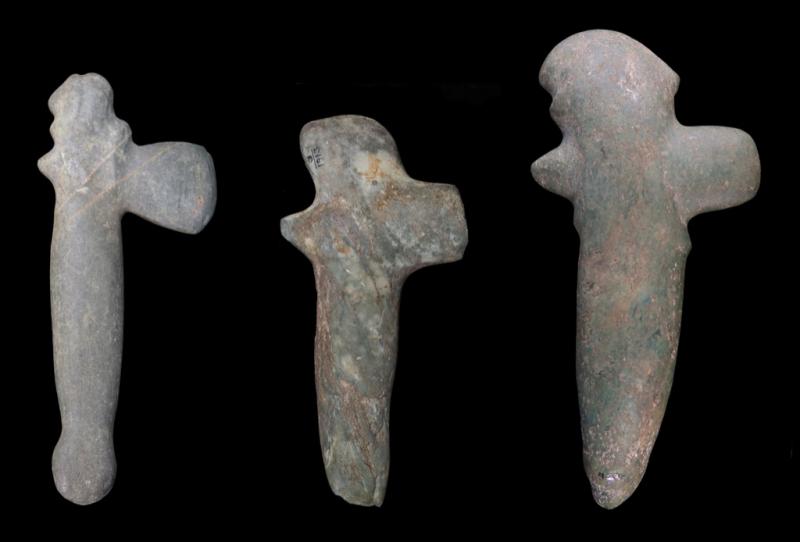
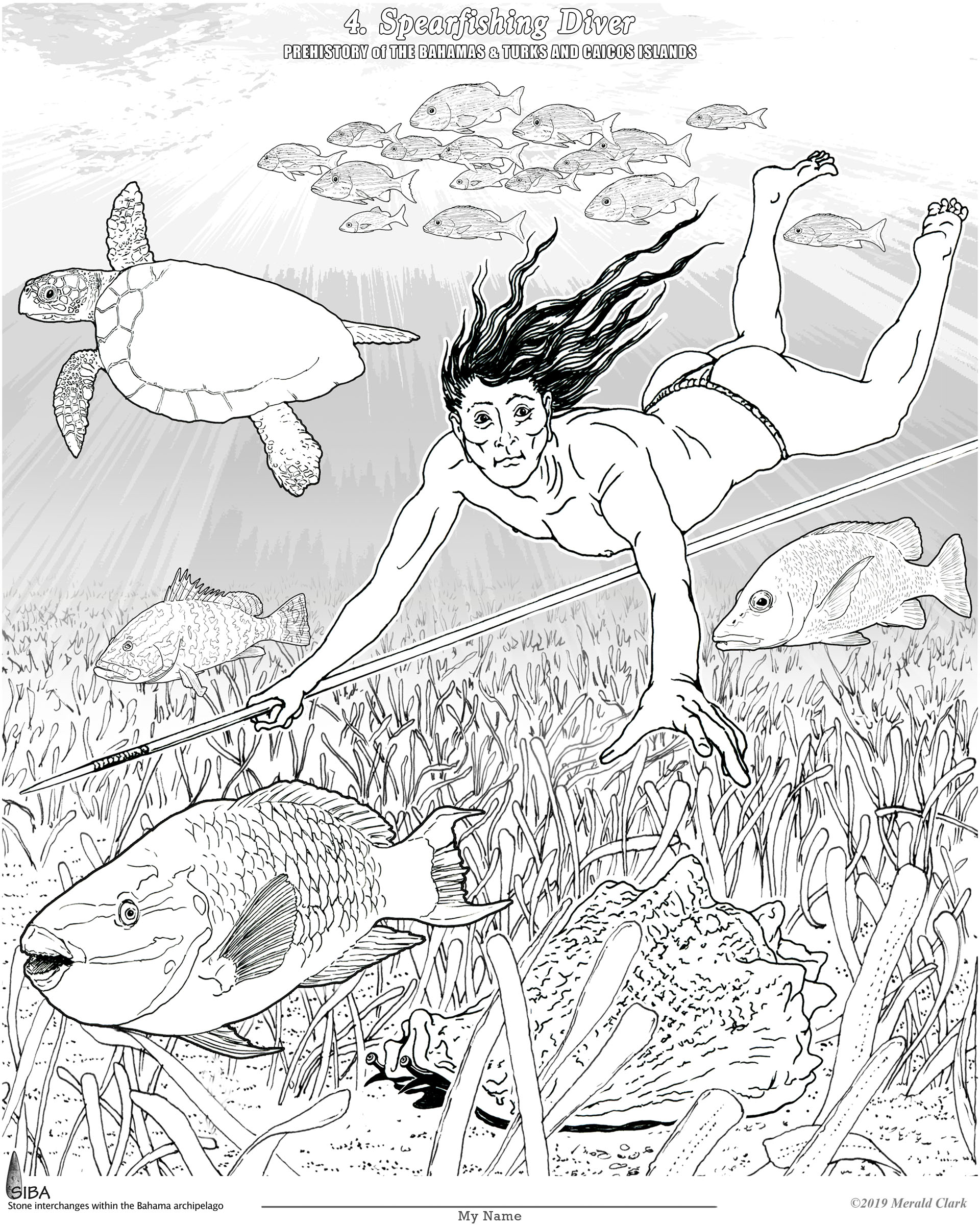
Stone tools are the hallmark of prehistoric settlements around the world: in the Caribbean, as elsewhere, they were essential for basic tasks such as food processing, wood carving, etc. In addition they could serve as markers of prestige, especially as they were all from non-local sources. Being entirely limestone islands, the vast Bahama (Lucayan) archipelago – comprising over 700 islands and some 3000 cays – is unique in the Caribbean in entirely lacking hard stone (flint, basalt, jadeitite). Was this lack of such a critical resource a contributing factor to their late settlement (post-AD 600), despite occupation on neighbouring Cuba and the Dominican Republic/Haiti going back millennia? And once settled, how was access to hard stone achieved, and what does this tell us about people's abilities to adapt to challenging environments?
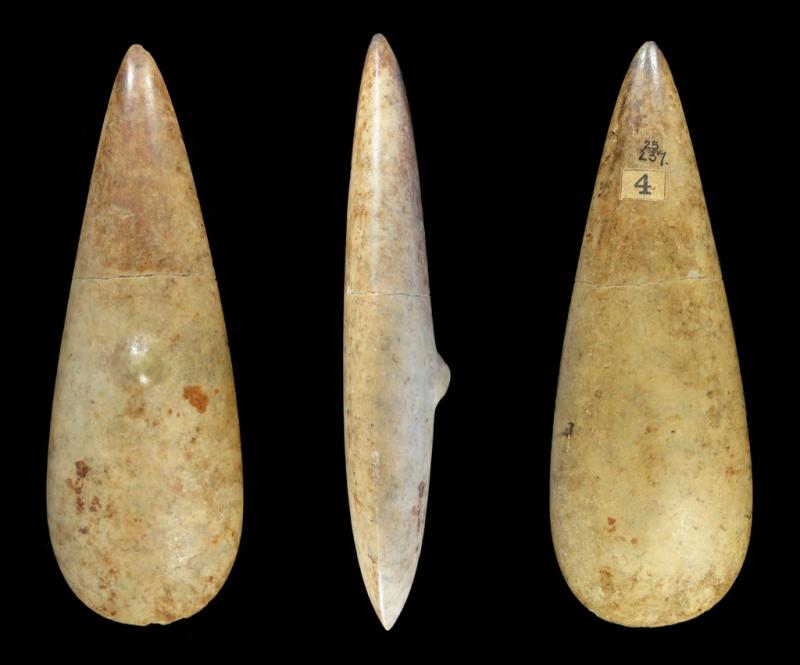
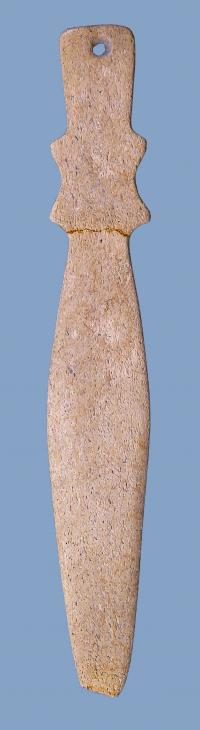
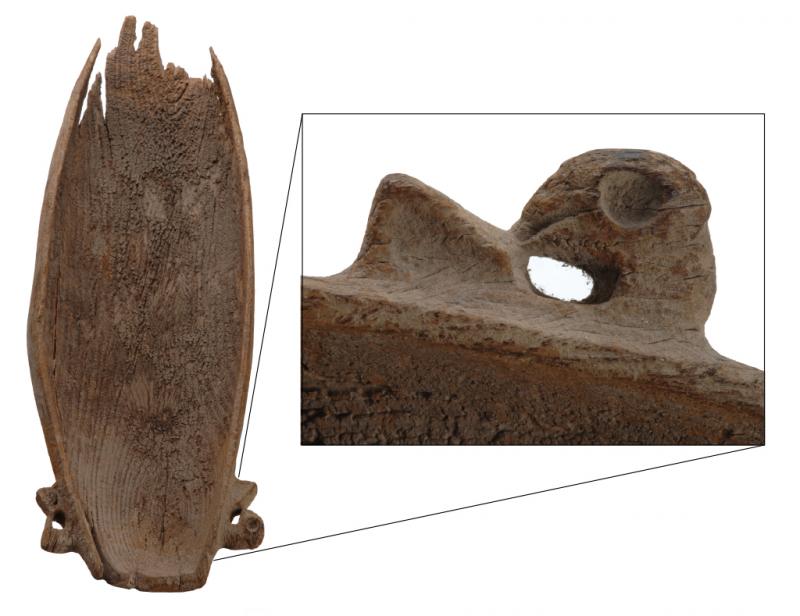
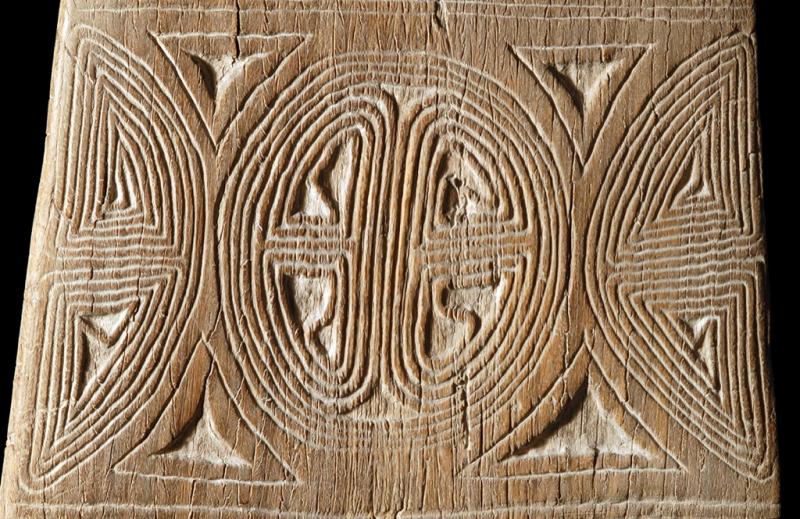
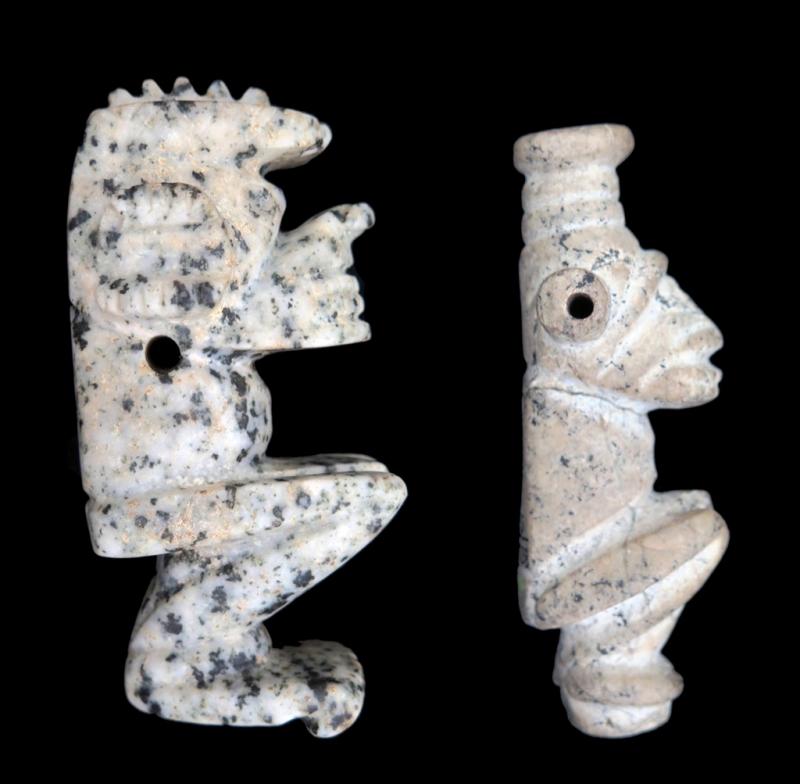
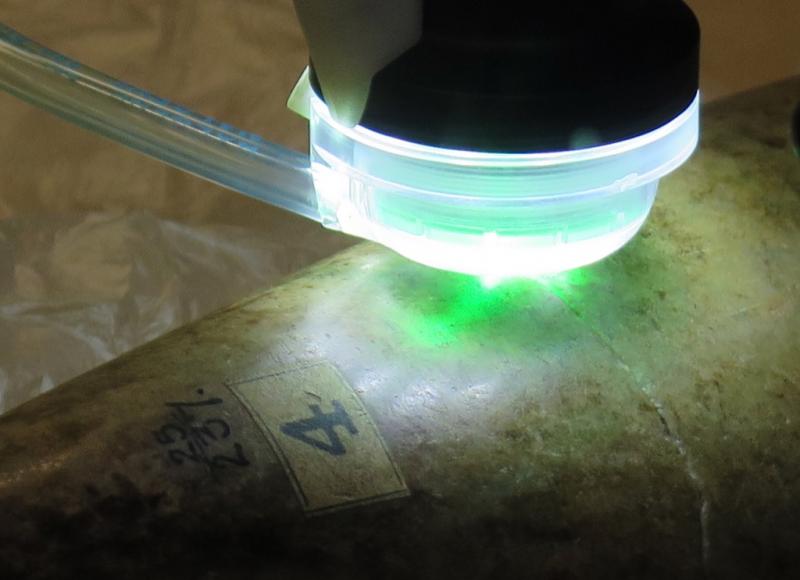
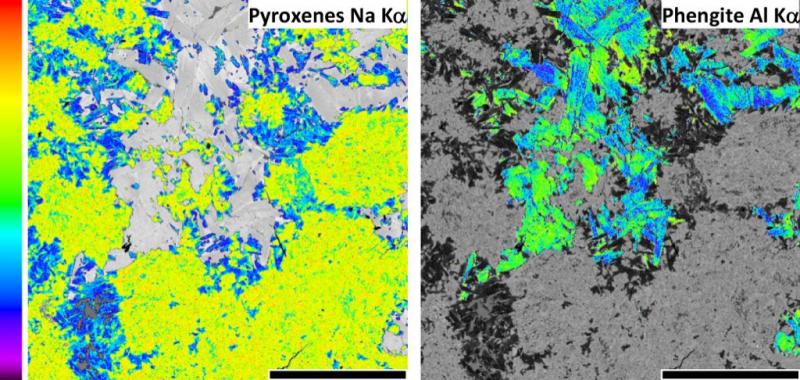
Project SIBA (‘stone' in Classic Taíno dialect), funded by the Arts and Humanities Research Council, aims to characterize the regional social networks that bound the Lucayan archipelago to the wider Caribbean region, and so provide an understanding of the creation and maintenance of indigenous exchange networks, and their associated economic, cultural and socio-political impacts. One direct means of exploring these issues is through the study of the imported material culture itself, including identifying an artefact's provenance through its diagnostic chemical and isotope ‘signature' using state of the art geochemical techniques. An artefact's distinctive style or iconography (what the artifact depicts and its possible significance) are a complementary means of ‘sourcing' artefacts. The absence of convincing stylistic similarities in artefacts from neighbouring regions would imply the local reworking of stone in the creation of a distinctive Lucayan cannon, expanding understanding of Lucayan carving styles, which are themselves poorly known.

The project works from the micro-scale (e.g., materials, manufacture, iconography, local context, etc.) to the macro-scale (Lucayan archipelago distribution of individual materials and their sourcing in the wider Caribbean region) to explore the connections between people and the stones they worked, exchanged and valued. By examining pre-colonial exchange networks in some detail, the project seeks to better understand resilience and sustainability in a resource-poor island context, and to question the core-periphery relations that have dominated discussion in Bahamian archaeology.
A major output of the project will be the physical and chemical characterisation of a large body of worked stone, fine-tuning our understanding of the movement of stone valuables across the ‘Caribbeanscape'. SIBA thus has the potential of making a significant contribution to understanding the establishment and maintenance of new communities in previously uninhabited island settings, as well as fully integrating the archaeology of the Lucayan archipelago within the wider Caribbean perspective
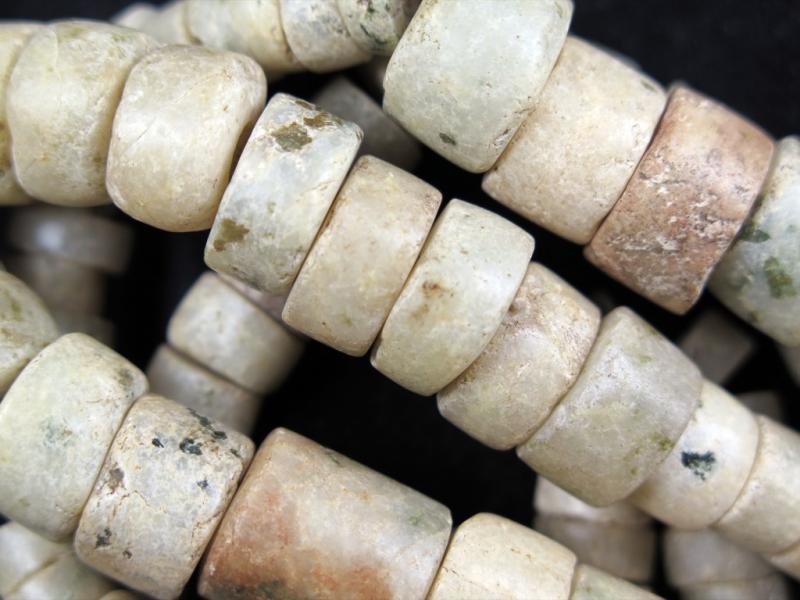
Project SIBA (siba [ciba] is the term for ‘stone' in Classic Taíno dialect) brings together over 300 ‘exotics' held in eight international museums, the largest study collection of Lucayan stone artefacts ever assembled. Combining a range of studies bridging the arts and sciences (e.g., petrology, iconography) with state-of-the-art, minimally invasive isotope geochemical studies, we aim to explore the wider social, political and economic connections between the archipelago and its wider Caribbean setting.
Research questions include:
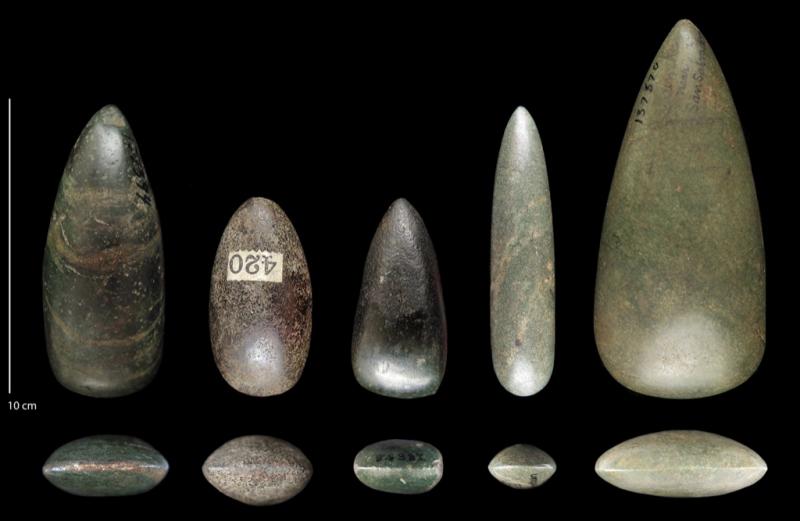
- What hard stone materials were imported into The Bahamas/Turks and Caicos Islands and, crucially, from where? Did different Bahama/TCI islands or groups of islands exploit different stone sources? This is key to understanding the extent of exchange networks that connected people across, and potentially beyond, the Caribbean.
- Does a local (Bahama/TCI) style emerge, or do stone artefacts conform stylistically to the original source islands? The curation of finished ‘foreign' objects suggests a very different underlying social meaning than the re-working of exotic stone into local styles.
- Was there a preference for particular stone materials/artefacts and was this preference based on availability, material properties, function, symbolic value, long-distance ‘exoticness' or a combination of these?
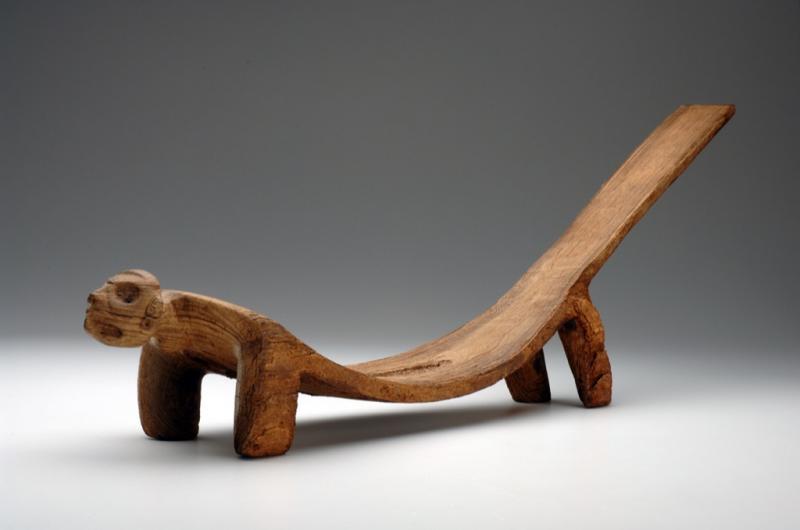
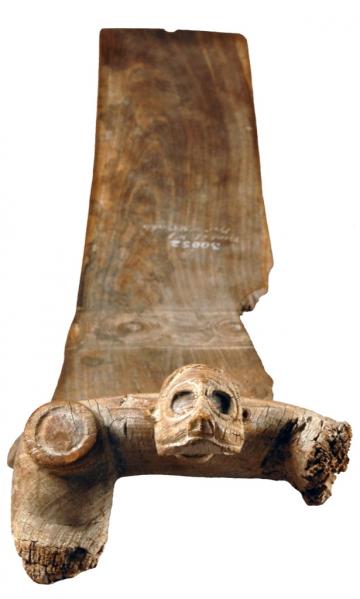
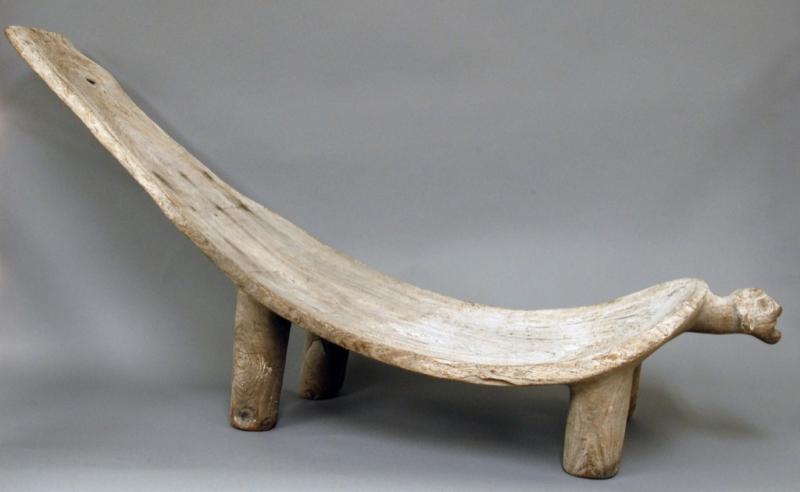
- Did Bahamian islands with evidence for high status artefacts such as duhos (ceremonial seats), also have a high incidence of imported stone artefacts, and were these artefacts sourced from a specific island (e.g., Hispaniola or Cuba) or more widely? This will inform on socio-cultural developments and inter-island connections.
- Given the difficulty in acquisition of these materials, and their circulation over potentially long distances, can we document re-working (e.g., large celts reduced over time to smaller stubs), or are most in a pristine, un-used state (this goes to the issue of function vs. value)?
Our approach is integrative, spanning style, iconography, provenance and manufacture. The detailed geochemistry and petrology data will provide provenance information, and a context for assessing the wider implications and significance of the artefacts. This study will provide a wealth of new data for Bahamian/TCI imported stone artefacts in museum collections, facilitating a discussion of their meaning to the people who made, traded and valued them.